
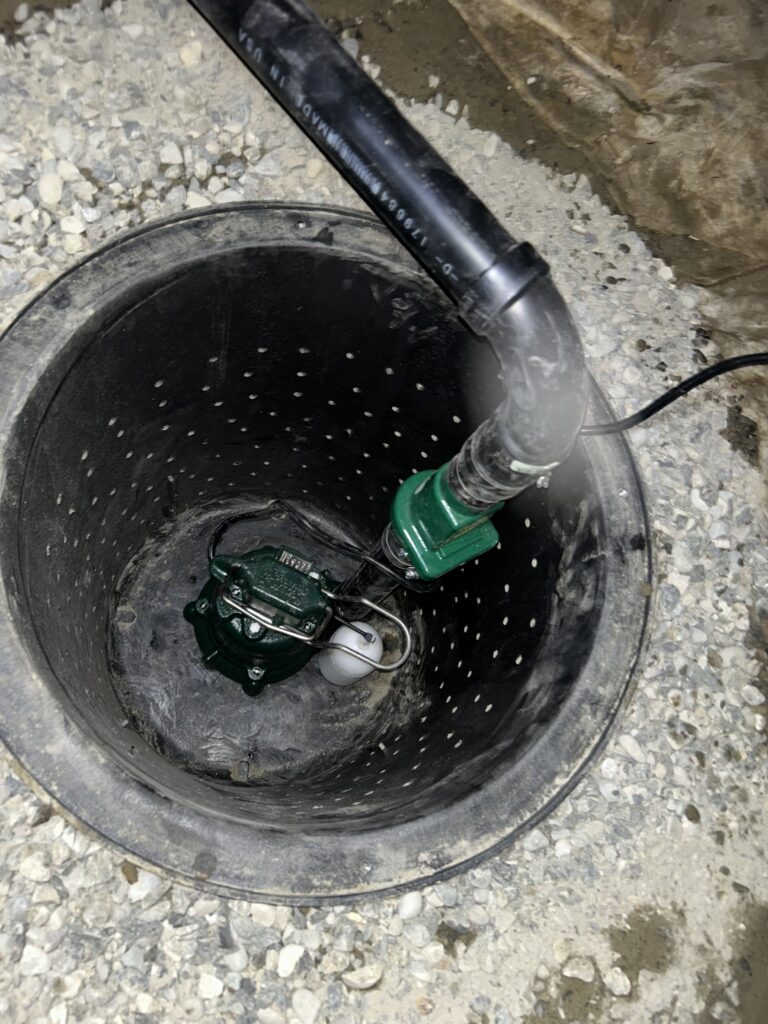
Pour five gallons of water into your sump pit. The pump should kick on within a few seconds, pull the water down, and shut off cleanly. If it does all of that, you’re in decent shape for the winter. If it hesitates, keeps running after the pit is empty, or doesn’t start at all, you’ve found out in August instead of at two in the morning during the first big storm of the season.
Why August Is the Month
A sump pump that sat dry all summer is the one most likely to fail in October. The float switch sticks where it last stopped. Silt dries around the impeller and locks it up. The check valve dries out and stops sealing. None of it shows until the pit fills and the pump is asked to do something.
Puget Sound weather gives you a pretty dependable dry spell, then a pretty dependable wet season. Seattle Public Utilities gears up for wet weather from November through February every year. Running your own check a couple of months ahead of that costs you ten minutes and a bucket.
The Ten-Minute Test
- Look before you touch anything. Open the lid and note how much water is in the pit, whether there’s silt built up in the bottom, and whether the pump is sitting level. A pump leaning against the side of the pit can trap its own float switch.
- Check the outlet. Most sump pumps plug into a GFCI outlet, and if that GFCI tripped back in March, the pump has been dead ever since. Press test, then reset. If it won’t hold a reset, the outlet or the pump’s cord has a fault, and that needs sorting out before anything else.
- Fill the pit with a bucket until the float rises. Don’t just lift the float by hand. That tells you the motor runs, but the float switch is the part that fails most often, and the only real test for it is real water.
- Watch it go through a full cycle. It should start promptly, pull the level down at a steady rate, and stop. If it keeps running with the pit empty, the switch is stuck. If it starts and stops every few seconds, the float may be set too tight, or the check valve may be letting water fall back into the pit.
- Go outside while it runs. This is the step almost everybody skips. Water should be coming out of the discharge pipe and running well away from the house. If the pump is clearly running and nothing is coming out, the line is blocked, crushed, or disconnected somewhere underground.
- Listen to it. Grinding usually means debris in the impeller or a bearing that’s wearing out. A hum with no water moving means the motor is getting power but the impeller isn’t turning.
The Discharge Line
A blocked discharge line is one of the most common reasons a perfectly good pump fails to protect a house. The pipe silts up, gets crushed as the soil settles around it, or ends up buried under a season of leaves and bark mulch. The pump runs and you can hear it running, but the water doesn’t go anywhere. Or it drains straight back into the pit through a worn check valve, and the pump cycles over and over until the motor burns out.
Make sure the outlet is clear and carrying water several feet away from the foundation. Check that it isn’t pointed somewhere that will freeze solid in December, too. A discharge line full of ice turns a working pump into a decoration.
The water also has to end up in the right place. Most cities around here don’t allow sump water to be piped into the sanitary sewer, because groundwater floods the treatment system in exactly the storms when it’s already struggling. If your pump empties into a floor drain or a sewer cleanout, ask us about it.
If Your Pit Is in a Crawl Space
A lot of houses around here don’t have a basement, so the sump pit is somewhere in the crawl space, usually in the lowest corner and about as far from the hatch as it could possibly be. That changes how the test goes. Nobody wants to drag a full bucket forty feet through damp dirt, so nobody does it, and that’s how a pump goes untested for years.
A few things help. Run a hose from an outside tap in through the hatch instead of carrying buckets. Wear a headlamp, because you’ll want both hands free. And while you’re down there, look at the ground around the pit. Standing water near it, or a damp track in the dirt leading toward it, tells you more about how hard the pump works in winter than the test will.
If getting to the pump is a real ordeal, a high-water alarm with a remote sensor at least means you’ll hear about trouble without crawling in to check.
Which Float Switch You’ve Got
Sump pumps use a handful of switch designs, and each one fails its own way. A tethered float is a ball on a short cord that swings up as the water rises. It’s simple and it holds up well, but it needs room to swing and it can snag on the pump or the discharge pipe. A vertical float rides up and down a rod. That suits a narrow pit, though silt can make it stick. Diaphragm switches sit sealed inside the pump and react to water pressure, and some newer pumps skip moving parts entirely and use an electronic sensor.
If you’ve replaced the float switch twice in five years, something about the setup is wrong. Usually the pit is too small for the switch type, or enough silt is coming in that the pit needs a liner and regular cleaning.
How Long a Sump Pump Lasts
Manufacturers generally quote seven to ten years for a residential pump under normal use. A couple of things shorten that. Pumps that run constantly wear out faster, and a lot of homes in the Green River valley sit on high groundwater that keeps the pump cycling all winter long. Cheap pumps with plastic impellers and flimsy switches also give out well before cast iron units do.
If yours is past eight years and protecting a finished space, think about replacing it now. You’ll get your choice of pump and an appointment time that suits you, and you get neither of those in the middle of a storm.
What the Bucket Test Can’t Tell You
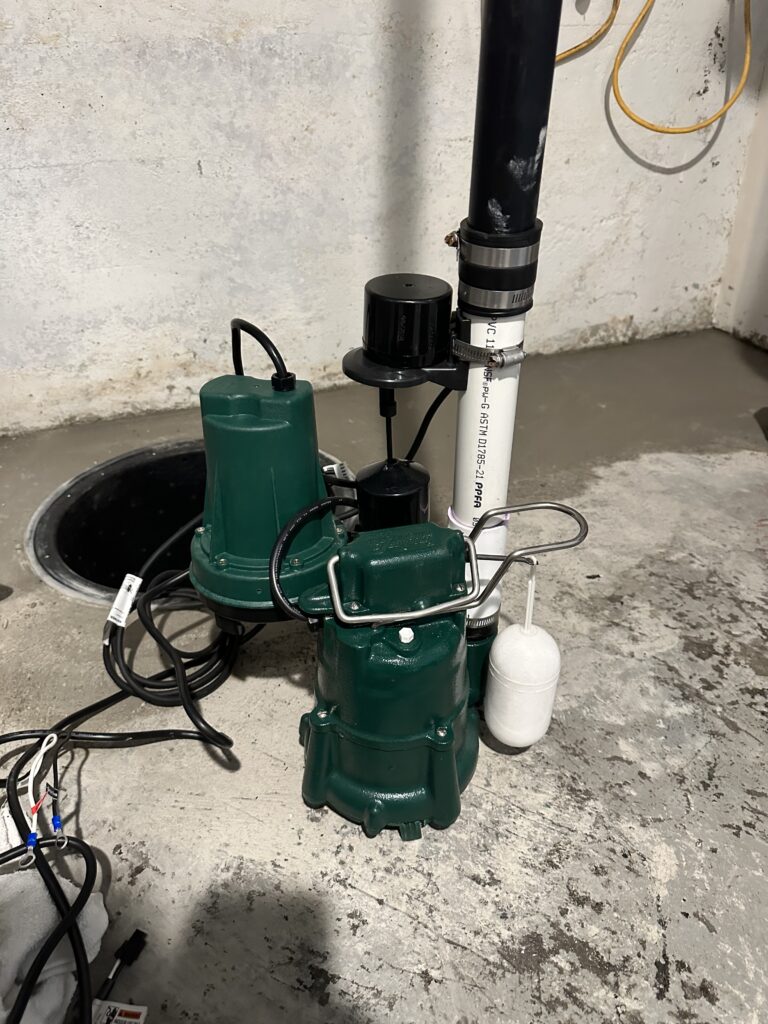
Five gallons from a bucket isn’t the same thing as groundwater rising for three days straight. The test won’t tell you whether the pump can keep up in a real storm, and it can’t show you what happens when the power goes out. In a Puget Sound windstorm, the power going out is exactly when you need the pump most. A battery or water-powered backup covers that gap, and so does a high-water alarm, which is cheap and worth having on any pit.
A pre-season inspection covers the rest. We test the switch under a real load, check the check valve, follow the discharge line all the way to where it empties, and tell you straight whether the pump has another winter in it.
We service and replace sump pumps across King and Pierce County, in crawl spaces as well as basements.
Pump failing with rain on the way? Call 206-579-1757. More on sump pump repair and installation.
Questions We Get About Sump Pumps
How often should a sump pump run?
It depends on how high the groundwater is under your house. During a long wet stretch in a Puget Sound winter, a pump in a valley home can cycle every few minutes and that’s normal. A pump running regularly in a dry August is a different matter. That points to a stuck switch, a leak somewhere, or water coming from a source you need to find.
Can my sump pump drain into the sewer?
Almost certainly not. Most cities around here prohibit sending sump water into the sanitary sewer, because groundwater overloads the treatment system during heavy rain. It should go to daylight, a dry well or the storm drainage system, depending on what your city allows. If yours is tied into a sewer line now, have it looked at.
What size sump pump do I need?
A one-third horsepower pump covers most homes. A deep pit, a long vertical lift to the discharge, or a high water table can call for a half horsepower unit. The right way to size one is to measure how fast the pit fills during a storm and how far the water has to be lifted, rather than buying the biggest pump on the shelf.
Can I replace a sump pump myself?
A straight swap for the same type of pump is a reasonable job if you’re handy. Watch the check valve, which only works one way round, and make sure the pump plugs into a working GFCI outlet. The hard part around here is usually access. Changing a pump in a tight crawl space is a lot less fun than it sounds.
Why does my sump pit smell bad?
Usually it’s stagnant water sitting in the pit through the dry months and growing bacteria. Running a bucket of clean water through in late summer, as part of your test, often clears it. A strong sewage smell is a different thing. That can mean a cracked sewer line nearby is leaking into the ground around the pit, and it needs a camera inspection.
Do I really need a sump pump alarm?
If the pump protects anything you care about, yes. A high-water alarm sounds when the pit fills above where the pump should have kicked in, so you find out within minutes instead of after the crawl space has flooded. They’re cheap, and Wi-Fi versions will text your phone, which helps if you travel over the holidays.